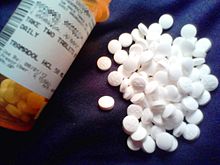
 Tramadol hydrochloride (Ultram, Tramal) is a centrally acting synthetic opioid analgesic used in treating severe pain. The drug has a wide range of applications, including treatment for restless legs syndrome and fibromyalgia. It was developed by the pharmaceutical company Grünenthal GmbH in the late 1970s.
Tramadol possesses weak agonist actions at the μ-opioid receptor, releases serotonin, and inhibits the reuptake of norepinephrine.
While its action is not like that of other opioids, Tramadol is a synthetic analog of the phenanthrene alkaloid codeine. Tramadol is converted to O-desmethyltramadol, a significantly more potent μ-opioid agonist. Opioids are chemical compounds which act upon one or more of the human opiate receptors. The euphoria and respiratory depression of opioids are mainly caused by the μ1 and μ2 receptors; the addictive nature of tramadol, as well as other opioids, is due to these effects, but tramadol's serotonergic and noradrenergic effects may contribute to possible dependence as well.
The opioid agonistic effect of tramadol and its major metabolite(s) are almost exclusively mediated by the substance's action at the μ-opioid receptor. This characteristic distinguishes tramadol from many other substances (including morphine) of the opioid drug class, which generally do not possess tramadol's degree of subtype selectivity.
